← All guides
Shop smarter
How Much Can You Actually Save by Meal Planning?
Build a grocery budget that includes whole packages and checkout costs, choose meals that share ingredients, and measure savings using your own receipts.
5 min read · Grocerplan editorial team
Updated November 3, 2026
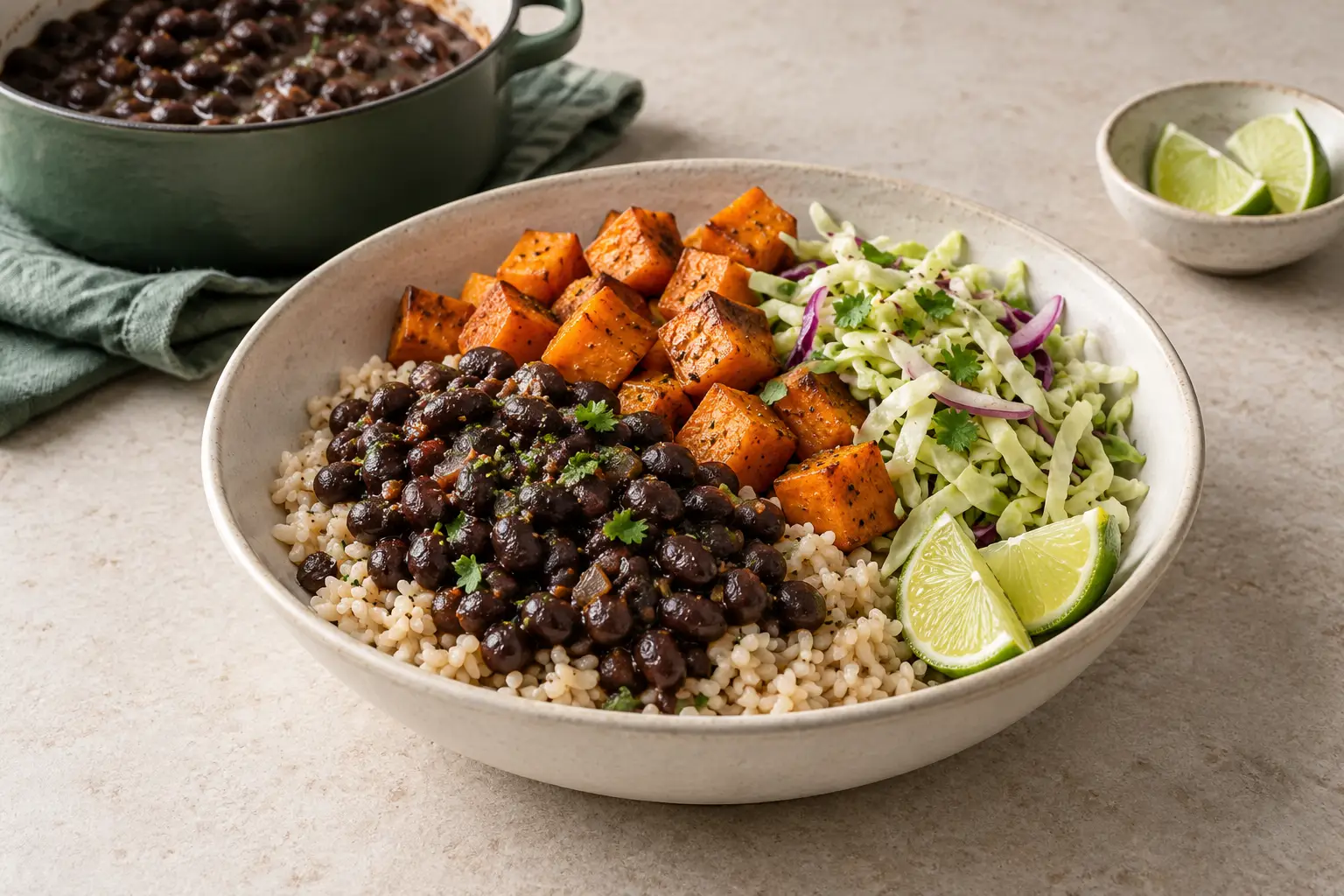
AI-generated editorial illustration; ingredients and serving sizes are illustrative.
Meal planning can help you buy food you will use. It cannot promise a particular saving, because your starting habits, store, package sizes and household all matter. The useful question is not whether one recipe has a low estimated cost per serving. It is whether your next grocery basket fits your budget and leaves you with meals you actually want to eat.
Start with a few dinners, check your kitchen, and compare the completed shop with your own recent receipts. That gives you a more honest result than treating a catalog estimate as a store quote.
Set a budget for the whole shop
Decide what the budget needs to cover before choosing recipes. A dinner plan may look inexpensive while leaving out breakfasts, lunches, snacks, household supplies and pet essentials. Put those needs on the same budgeting checklist, even if you manage them in separate lists.
If you shop online, leave room for the fees, tax and tip shown at checkout. Do not spend the full target on recipe estimates and assume the final bill will match. Use a comfortable ceiling rather than an exact amount that only works if every product is on sale.
For example, a household might choose three dinners because two evenings are already covered and another is uncertain. There is no reason to buy ingredients for seven new meals just to fill a calendar. Your plan should describe the coming week, including the nights you will not cook.
Separate recipe cost from what you pay today
A recipe estimate describes the ingredients used in a dish. A grocery basket contains the packages you must purchase. Those are different numbers. A recipe that uses a little oil still requires buying a bottle if you have none. Conversely, oil already in your cupboard does not need buying again this week.
Keep three questions separate when reviewing a list:
•
What does the meal use? The recipe quantity at your chosen servings.
•
What do I already have? The usable amount available at home.
•
What must I buy? The remaining amount, sold in the package sizes available at your store.
Grocerplan's recipe costs are planning estimates, not live store prices. Product choices, whole packages and checkout costs can change the total. An inexpensive estimated recipe is a useful place to start comparing, not a guarantee that it produces the cheapest basket.
Choose meals with a second use for ingredients
A long list of inexpensive recipes can still create an expensive shop when every meal needs different ingredients. Look for overlap you will enjoy. Grocerplan's budget starter includes two chickpea dishes that also use diced tomatoes; its first three suggested dinners use rice. You can remove meals and adjust servings before saving.
Choose a budget starter and look through the ingredient previews. Keep the meals that suit your week, then check which ingredients need a whole new package. If a sauce or garnish will only be used once, consider a different meal or make a specific plan for the rest.
If the suggested menu does not fit, browse the budget recipe collection for other ideas. Reusing ingredients does not mean every dinner must taste the same. Different vegetables, seasonings and preparation methods can make a familiar ingredient work in several meals. The ingredient-reuse guide shows how to make those choices without turning everything into one repeated dish.
Compare the amount you will actually use
USDA's MyPlate budget guidance recommends comparing unit prices across similar sizes and brands. The largest pack is not automatically the better purchase for your household. Consider its total price, storage needs and whether you expect to use the contents.
Compare like with like: the same unit, edible amount and product type. A concentrated sauce and a ready-to-use sauce may not serve the same purpose. A fresh ingredient and a prepared version can also involve different preparation time. A lower unit price is only one part of the decision.
If you shop across stores, compare the whole basket and the extra trip or checkout costs. Buying one cheaper ingredient elsewhere may not justify a second order. Grocerplan does not currently promise automatic live price or stock comparison across retailers.
Review the retailer cart before paying
After saving your grocery list, remove groceries you already have and check the remaining quantities. When you open Instacart, choose your store, review matched products and add the products you want to the cart. Check package sizes and alternatives there. An ingredient list is not a completed order; you still review checkout and pay with Instacart.
If the cart is over budget, first look for extra packs, unwanted substitutions and products you already own. Then consider replacing a meal or postponing a nonessential item. Reducing every recipe quantity at once can leave you short of dinner without solving the actual problem.
Measure the change without guessing
Keep receipts from a few comparable shops. Note the total, the meals the food covered and unusual purchases such as a pantry refill. Also note ingredients that went unused. One expensive restock or a week away can make a simple week-to-week comparison misleading.
Use what you learn for the next plan: repeat a meal that worked, buy a smaller package that fits, or remove an ingredient that never got used. Savings are the difference you can verify in your own shopping, not a percentage promised by a meal planner.
Sources
•
USDA MyPlate: Eat Healthy on a Budget, reviewed November 3, 2026, for comparing unit prices and buying quantities you can use.
•
Instacart Developer Platform, Shopping list page, reviewed November 3, 2026, for store selection, product review, adding to cart and customer checkout.
•
Starter meals and estimate limits were checked against Grocerplan's current production source. No live prices, nutrition targets or guaranteed savings are used here.
Recipes for this
Pick your dinners before you sign up
Choose a starter menu, adjust meals and servings, then create a free account to save your selection as one grocery list. Review it before shopping on Instacart or at any store.
Choose a starter plan →
Or create a free account